

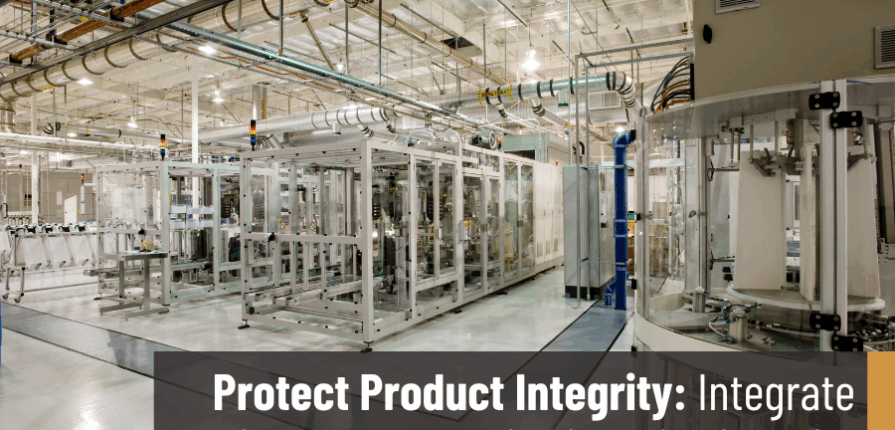
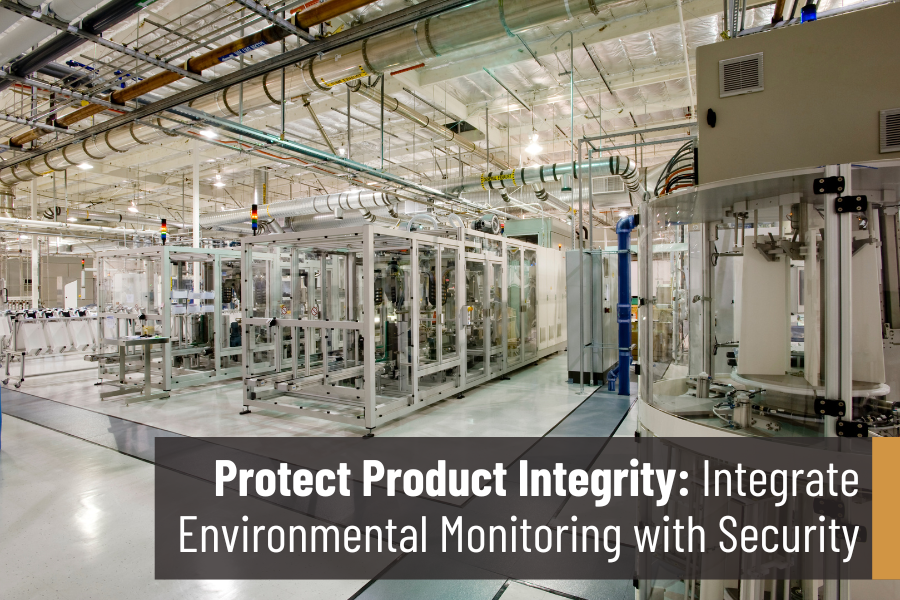
Sensitive manufacturing processes— such as pharmaceuticals, food production, electronics, and specialty chemicals—demand rigorous control over environmental conditions. Even minor deviations in temperature, humidity, or air quality can compromise product integrity, trigger regulatory violations, and result in costly recalls[#]. Integrating environmental sensors with security systems creates a unified platform for real-time monitoring, rapid response, and comprehensive compliance.
The Role of Environmental Monitoring in Manufacturing
Environmental monitoring involves the continuous measurement of key parameters such as:
- Temperature
- Humidity
- Airborne particulates
- Hazardous gas concentrations
- Pressure differentials
These factors directly impact product quality, equipment performance, and worker safety. For example, the U.S. Centers for Disease Control and Prevention (CDC) highlights that temperature excursions in pharmaceutical storage can render products ineffective or unsafe. In food processing, humidity spikes can foster microbial growth, while in electronics, static and dust can cause defects.
Why Integrate Environmental Sensors with Security Systems?
Traditional environmental monitoring systems often operate in isolation, generating alarms that may go unnoticed or unverified. By integrating these sensors with your security platform, you gain:
- Centralized Monitoring: View environmental data, video feeds, and access logs from a single dashboard.
- Automated Alerts: Trigger alarms, notifications, and video recording when environmental thresholds are breached.
- Rapid Incident Response: Link environmental events to access control, enabling lockdowns or evacuations if hazardous conditions are detected.
- Audit-Ready Documentation: Automatically log all events for compliance with FDA, OSHA, and EPA regulations.
- Reduced Downtime: Address issues before they escalate, minimizing production interruptions and product loss.
Key Components of an Integrated System
1. Temperature and Humidity Sensors
These sensors monitor critical zones—cleanrooms, storage areas, production lines—where environmental stability is essential. Integration with security systems allows:
- Real-time alerts to staff and management
- Automated video verification of alarm events
- Historical data logging for compliance audits
2. Hazardous Gas and Air Quality Sensors
Detecting volatile organic compounds, carbon monoxide, ammonia, or other hazardous gases is vital for both product safety and worker health. When integrated:
- Alarms can trigger immediate evacuation protocols
- Access control can restrict entry to affected zones
- Video analytics can verify area occupancy and support emergency response
3. Water Leak and Flood Sensors
Water intrusion can devastate sensitive manufacturing environments. Integrated sensors:
- Detect leaks early, triggering alarms and video verification
- Automatically shut down equipment or lock access to affected areas
- Document incidents for insurance and compliance purposes
4. Integration with Video Surveillance
Pairing environmental alarms with video surveillance provides visual confirmation of incidents, offering a valuable tool for incident detection and response. For example:
- When a temperature alarm sounds, the system can automatically display live footage of the affected area
- Security teams can assess the situation remotely and coordinate an appropriate response
- Video evidence supports root cause analysis and regulatory reporting
5. Access Control Integration
Environmental events often require immediate action—restricting access, evacuating personnel, or allowing only authorized staff to enter hazardous zones. Integrated systems can:
- Automatically lock or unlock doors based on sensor data
- Log all access events during an incident for post-event review
- Support mustering and headcount during emergencies
Compliance and Regulatory Benefits
Manufacturers in Atlanta and across Georgia must comply with a range of regulations, including:
- FDA Current Good Manufacturing Practice (CGMP) for pharmaceuticals and food
- OSHA standards for workplace safety
- EPA requirements for hazardous materials handling
- Georgia Department of Public Health and local fire codes
Integrated environmental and security systems simplify compliance by:
- Providing automated, time-stamped logs of all environmental and security events
- Supporting electronic recordkeeping for audits and inspections
- Enabling rapid retrieval of data for regulatory reporting
Operational Advantages
Proactive Risk Management
Unified systems allow for the proactive identification and mitigation of risks. For example, a humidity spike in a cleanroom can trigger an immediate investigation, preventing product contamination and costly downtime.
Streamlined Maintenance
Centralized monitoring platforms can alert maintenance teams to equipment failures or environmental drift, supporting predictive maintenance and reducing unplanned outages.
Enhanced Product Integrity
Continuous, integrated monitoring ensures that every batch, lot, or unit is produced and stored under optimal conditions, supporting quality assurance and customer trust.
Technology Enablers
Modern integrated systems leverage:
- IP-based sensors and controllers for flexible deployment and remote access
- Cloud-based dashboards for centralized management across multiple sites
- Mobile notifications for instant alerts to key personnel
- AI-powered analytics to detect patterns, predict failures, and optimize response
Implementation Best Practices
- Involve your security integrator during the design phase to map out sensor placement, cabling, and integration points
- Select sensors and controllers that support open protocols (e.g., BACnet, Modbus, SNMP) for seamless integration
- Test all alarm and notification pathways before going live
- Train staff on interpreting alerts and responding to environmental incidents
- Schedule regular system audits and maintenance to maintain reliability
Integrating environmental monitoring with security systems is a strategic investment for manufacturers who value product integrity, regulatory compliance, and operational efficiency. By unifying temperature, humidity, and hazardous condition monitoring with alarms, video, and access control, you create a responsive, intelligent defense against both environmental and security threats. This approach not only protects your products and people but also streamlines compliance and supports business continuity.
Commercial Security Integrator in Atlanta
Smart Integrators 4U specializes in designing and integrating environmental monitoring and security systems for Atlanta manufacturers. Our unified solutions protect your products, people, and processes—while simplifying compliance and reducing risk. Contact us at (888) 797-519-5678 to schedule your complimentary assessment and see how integrated monitoring can safeguard your sensitive manufacturing operations.

Leave a Reply
You must be logged in to post a comment.