
Walk into most commercial facilities and you’ll see a security system that looks complete. Cameras are installed, access points are controlled, alarms are active. From the outside, nothing appears to be missing.
The problems tend to show up later, usually when someone needs to find footage quickly, verify an event, or respond to something in real time. That’s when systems that were installed separately start to feel disconnected, and the process slows down more than it should.
At Smart Integrators 4 U, that’s typically where we get involved.
What Slows Teams Down Isn’t Always Obvious
When we evaluate a system, the issue is rarely a lack of equipment. More often, it’s how that equipment was put together.
A camera may cover the right area, but if it isn’t aligned with access activity, it doesn’t provide much clarity during a review. An alarm may trigger exactly as designed, but without context, it creates more questions than answers. Even well-installed systems can create friction if they require your team to jump between platforms just to understand what happened.
None of these are major failures on their own. Over time, though, they add up.
Where Integration Changes the Outcome
The difference between a system that simply exists and one that actually supports your operation comes down to how the pieces interact.
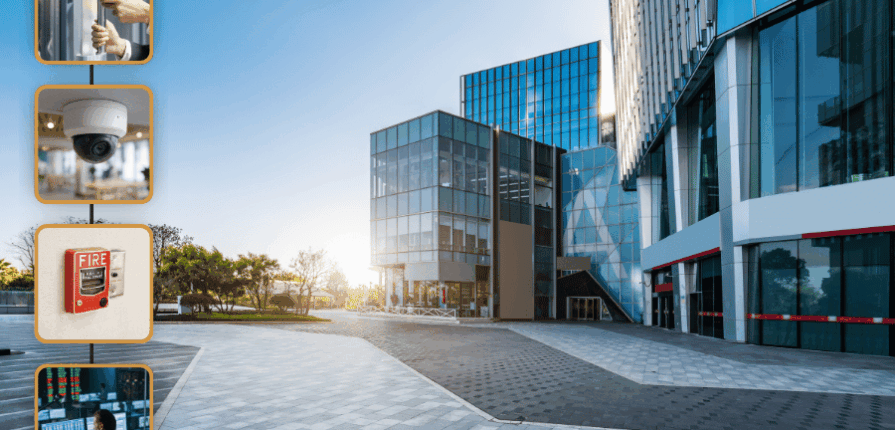
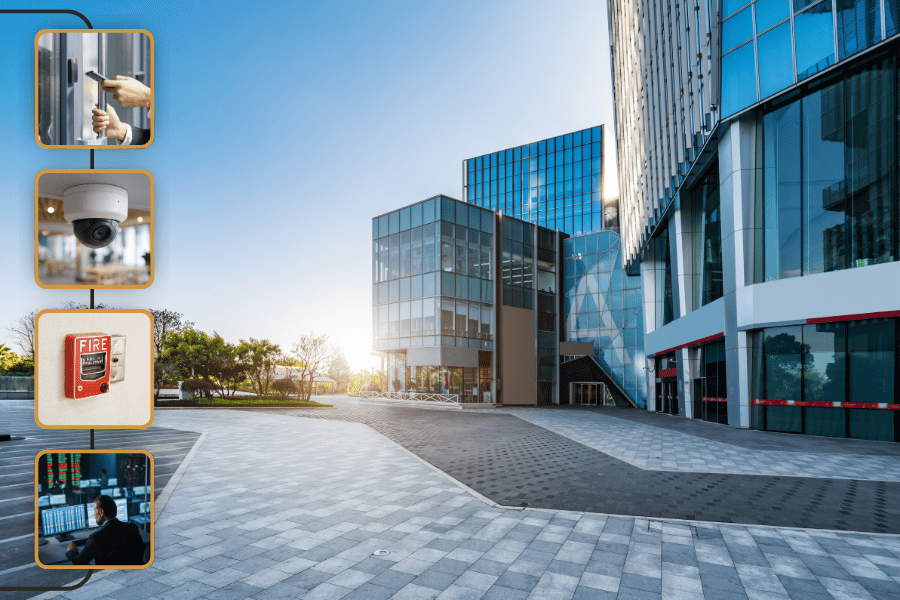
Instead of treating video, access control, intrusion, and fire systems as separate layers, we design them to work in coordination. That way, when something happens, your team isn’t sorting through disconnected information.
Access activity can be tied directly to video. Alerts carry enough detail to act on immediately. Systems respond in a way that reflects how your building is supposed to function, not just how each component was programmed individually.
That shift tends to change how quickly and confidently issues are handled.
If you’re not sure how well your current systems are working together, it’s worth taking a closer look now rather than waiting for a gap to show up during an incident. Schedule a system review or call 888-519-5678 to walk through your setup with our team and get a clear understanding of where things stand.
Every Facility Has Its Own Set of Pressures
There isn’t a single “right” system for every business, and that’s where a lot of installs fall short.
A manufacturing facility has different visibility requirements than a restaurant. A healthcare environment has compliance considerations that don’t exist in a standard office setting. Even within the same industry, workflows, staffing, and layout all influence how a system should be designed.
We work across healthcare, manufacturing, education, restaurants, and commercial facilities throughout the Atlanta area, and the approach adjusts based on what the space demands. The goal isn’t to standardize the system, it’s to make sure it fits the way the business operates on a daily basis.
Most Projects Don’t Need to Be Overbuilt
There’s a tendency in the industry to either oversimplify or overbuild. Neither approach holds up well.
Many of the systems we design are focused and practical. A handful of cameras placed where they actually matter. Access control where it improves accountability and flow. Integration that removes guesswork without adding layers your team doesn’t need to manage.
We typically start with projects that involve 4+ cameras or a single access point and scale from there if it makes sense. That allows us to stay precise with the design and make sure everything performs the way it should once it’s in place.
What’s Behind the System Matters Too
The equipment itself is only part of the equation. How it’s configured, supported, and maintained plays just as large a role over time.
We work with platforms and manufacturers that are known to integrate well and hold up in real environments, including Lenel S2, Suprema, DoorKing, Hanwha, Wisenet, Avigilon, 2GIG, Qolsys, DSC, Resideo, Firelite, and Silent Knight.
Depending on the application, that can also include video verification, remote monitoring support, and environmental monitoring to help protect equipment and critical areas from temperature or humidity-related issues.
These are not add-ons for the sake of it. They’re considered when they solve a real operational need.
Starting with the Right Foundation Makes Everything Easier
Whether you’re planning a new installation or trying to improve an existing setup, the early decisions tend to determine how well the system performs later.
A clear understanding of how your space operates, where visibility matters, and how your team responds to incidents makes the design process more straightforward. From there, it becomes a matter of building a system that supports those priorities without adding unnecessary complexity.
That’s the approach we take with every project.
Let’s Take a Look at What You’re Working With
If you’re planning an upgrade, expanding your facility, or evaluating a new system altogether, it helps to start with a clear understanding of what will actually support your operation long term.
Connect with our team or call 888-519-5678 to schedule a consultation. We’ll walk your site, review your needs, and outline a solution that’s built around how your business actually operates.

Leave a Reply
You must be logged in to post a comment.