

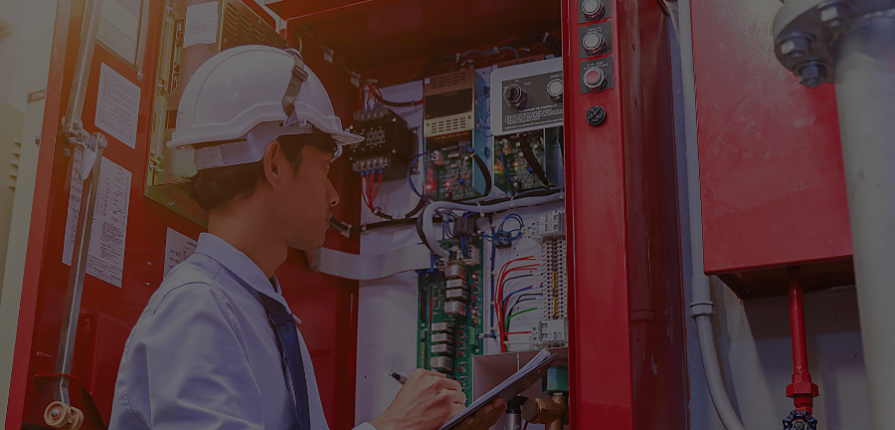
Most commercial properties have a fire alarm system in place, and in many cases it meets code, passes inspection, and functions as expected during routine testing. That baseline is important, but it doesn’t always reflect how the system will perform when it is actually needed.
In real situations, the expectation goes beyond detection. The system needs to trigger the right response, communicate clearly, and coordinate with other building systems without hesitation. That level of performance is where the difference between a compliant system and a reliable one becomes clear.
Compliance Covers Requirements, Not Performance
Fire systems are often approached as a requirement to satisfy, which means the focus stays on meeting code and completing inspections. While that establishes a necessary foundation, it does not always account for how the system supports the building during an active event.
A system can be fully compliant and still create delays if notifications are unclear, if access points do not respond as expected, or if teams need to interpret multiple systems at once to understand what is happening. These are not failures in isolation, but they can slow response and create confusion when timing matters.
Where Coordination Becomes Critical
In many facilities, fire systems are installed independently from access control and security infrastructure, which creates separation at the exact moment coordination is needed.
During an emergency, that disconnect often shows up in a few key ways:
- Doors fail to release or secure in a way that supports evacuation or containment
- Notifications do not reach the right people with enough clarity or speed
- Teams are forced to work across multiple systems to understand what is happening
Each system may function as designed, but without alignment, the overall response becomes less efficient and harder to manage.
Designing for How a Building Actually Operates
At Smart Integrators 4 U, fire and life safety systems are designed as part of a larger operational environment, not as isolated installs. That approach starts with how your facility actually functions and extends into how it should respond during an emergency.
That includes the core components themselves. Intelligent fire alarm panels provide centralized control and faster, more accurate detection, while smoke detection systems are selected based on the environment, whether that means standard commercial spaces or more sensitive areas that require earlier detection. CO detectors add another layer of protection, especially in facilities where indoor air quality and occupant safety are critical.
When these components are designed together and integrated properly, the result is a system that not only detects an issue, but responds in a way that supports both safety and operations.
If you’re unsure how your current fire system would respond alongside your access control or security setup, it’s worth reviewing it before a real situation forces the question. Schedule a consultation or call 888-519-5678 to walk through your system with a Smart Integrators 4 U specialist.
When It Makes Sense to Revisit a Fire System
For many businesses, the need to evaluate a fire system comes from changes within the facility rather than from the system itself. As spaces are reconfigured, operations expand, or new systems are introduced, the original design may no longer reflect how the building is used.
That shift can create gaps in coordination, especially when updates are made to access control or security without aligning fire response. Inspection findings, equipment aging, and evolving compliance requirements can also signal that it is time to take a closer look at how the system is performing as a whole.
Building on Systems That Hold Up Over Time
Smart Integrators 4 U works with established fire platforms such as Firelite and Silent Knight, not only because they meet code requirements, but because they provide a stable foundation for long-term performance.
Those systems are paired with properly selected detection devices, including smoke detection suited to the environment and CO detection where it adds meaningful protection. More importantly, everything is configured to work alongside access control, video surveillance, and monitoring so that each component supports the others.
This approach reduces friction during an event and allows the system to function as a coordinated response rather than a collection of separate parts.
Ongoing Reliability Is Part of the System
A fire system’s effectiveness depends on more than installation. Communication, monitoring, and overall system health all influence how it performs over time.
Reliable monitoring ensures that alerts are received and acted on without delay, while consistent system performance depends on proper configuration and awareness of environmental conditions that could impact equipment. Detection devices, panels, and supporting systems all need to operate as expected under real conditions, not just during scheduled tests.
Start with a System That’s Built to Respond
Whether you are planning a new installation, updating an existing system, or addressing compliance requirements, the design phase sets the direction for how the system will perform when it is needed.
Taking the time to align fire and life safety with the rest of your building infrastructure leads to a system that supports both safety and operations without unnecessary complexity. That approach allows your team to respond with clarity and confidence rather than working around limitations.
Let’s Review Your Fire & Life Safety System
If you are planning changes, preparing for inspections, or want a clearer understanding of how your current system will perform, a structured review can help identify where improvements make sense.
Connect with our team or call 888-519-5678 to schedule a consultation. We will walk your facility, review your system, and provide straightforward guidance based on how your building actually operates.

Leave a Reply
You must be logged in to post a comment.